Bright Orange Thread Fundamentals
Always Ask “Why?”
The search for the best solution is always worth the effort. Challenge and question what you don’t understand. Don’t accept anything at “face value” if it doesn’t make sense to you. Suspend your judgment rather than jumping to conclusions. Be curious, ask thoughtful questions, and listen intently to the answers. Dig deeper to go beyond the expected. Ask the extra question.
Always Add Value
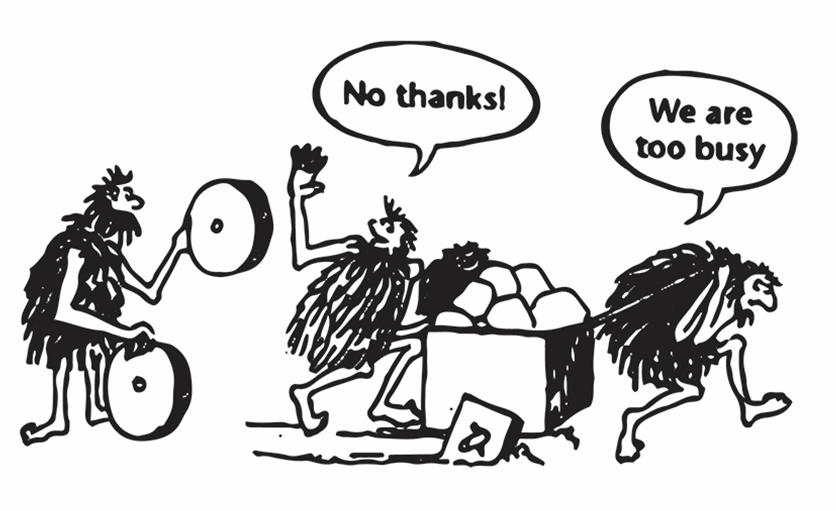
The worth of our brand is equivalent to the value we deliver. Look to add value to every request, from clients and from each other. Understand client goals and be sure everything you do for them is aligned around helping them meet their objectives. Help each other become faster, better, and more effective. Quite simply, if we don’t add value, there’s no reason for us to be involved.
Deliver Results
While effort is important, our clients expect results. Follow-up on everything and take responsibility to ensure that tasks get completed. Set goals, use measurements to track your progress, and hold yourself accountable for achieving those results.
Always Be Answering
Education generates buy-in with prospects and clients. Listen generously, give undivided attention. Then, deliver answers, to the question asked and then a lot more. Don’t promise, don’t market, don’t sell. Educate.
Get Clear on Expectations
Misunderstandings are frustrating and energy consuming. Set expectations upfront to create clarity. Set expectations for others and ask when you’re not clear on what they expect of you. End all meetings with clarity about action items, responsibilities, and due dates.
Create a Great Impression
Clients notice a decline in service before they notice a decline in the quality of work—David Baker. Every conversation, phone call, e-mail, letter, and even voicemail, sets a tone and creates an impression. Pay attention to every interaction, build trust and confidence thru healthy and appropriate rapport. Become a trusted advisor.
Look Ahead & Anticipate
Preventing issues is always better than fixing them. Solve problems before they happen by leveraging your personal experience and institutional knowledge so you can anticipate future issues and address them in advance. Work with appropriate lead times.
Be User Focused
Seeing the world from the user perspective empowers us to anticipate and meet their needs. Always ask ‘for who?’ Know the users challenges and frustrations. Always ask ‘What do you want them to do next?’ Identify friction and design ways to reduce or eliminate friction.
Use Data to Make Decisions
Good decisions rely primarily on facts and data, rather than on opinions or emotions. Be objective. Look for opportunities to test and create data to inform decisions. Analyze the data and use this information to make better decisions. Review analytics to understand user behavior. Find the factual research that supports the BOT approach to solving the client issue.
Make a Decision
Work with a sense of urgency to get things done so we can move on to the next area of focus. Avoid analysis paralysis. Gather the relevant facts and evaluate your options thoroughly, then get moving. Act decisively. If new information becomes available, don’t be afraid to make a new decision and change course when it’s appropriate.
Plan Your Work
One minute of planning saves 10 in execution. Source. Plan your work to ensure you are clear on expectations and details. This will maximize your efficiency and reduce errors.
Work Deeply
Deep work will make you better at what you do and provide the sense of true fulfillment that comes from craftsmanship. Deep work is the ability to focus without distraction on a cognitively demanding task. Be proactive to incorporate deep work into your schedule.
Be Relentless About Improvement
There is satisfaction in finding ways to get things done smarter and better. Regularly reevaluate every aspect of your work to find ways to improve. Don’t be satisfied with just getting it done.
Be Process Driven
Strong processes are the foundation of organizational effectiveness. Create systems and processes that are scalable and that support our ability to perform with consistency.
Be Obsessive About Organization
Maximum efficiency comes from being organized and well planned with our work. Thwart Parkinson’s Law: Any task will inflate until all of the available time is spent. Have all the tools necessary before starting your work. Be thoughtful about your schedule, and have a game plan for your calls, your tasks, and your workday. Know the priorities and work on them first.
Pay Attention to the Details
The goal is to get things right, not simply to get them done. Missing just one detail can have an enormous impact on a job. Be a fanatic about accuracy and precision. Double-check your work. Get the details right the first time.
Work Overtime to be Efficient
Working smarter long-term begins by making the effort to work harder to be efficient—now. For example, take 15 minutes to learn how to do something more efficiently so next time it only takes 5 minutes. Then share what you learned and the payoff with the team.
Communicate to be Understood
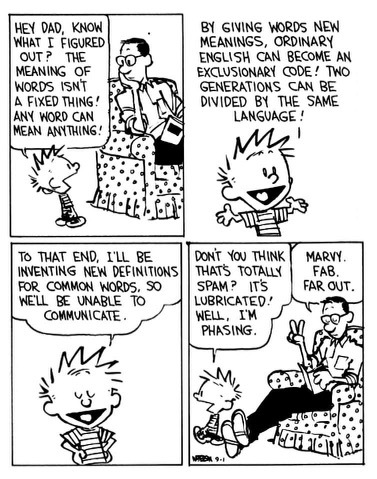
Deliver an effortless experience. Find ways to make working with you/us easier. We operate in a rapid change industry where clarity and simplicity are valued. Know your audience. Write and speak in a way that they can understand. Avoid using internal lingo, acronyms, and industry jargon. Use the simplest possible explanations. Chunkify. Know that people remember what you told them first and last as per the Serial Position Effect, leverage that to get the reply you need from clients and coworkers.
Share Information Strategically
The more people know, the better we can collaborate. With appropriate respect for confidentiality, share information freely throughout our team, with clients. Learn to ask yourself, “Who else needs to know this?” Don’t dump data, choose data that is relevant and useful.
When in Doubt, Communicate Personally
Face-to-face communication offers the highest quality of interaction. When delivering difficult or complex messages, or in emotionally charged situations, pause. Assume positive intent. Prepare your response and put it aside. Speak “live” versus hiding behind e-mail or voicemail. Start by asking thoughtful questions to understand the person’s point of view. Listen intently. Discuss, align, and decide. Where appropriate, follow up in writing to confirm your understanding.
Debate, Then Align
Healthy, vigorous debate creates better solutions. Debate concepts without making personal attacks. Check your ego and push for the best solution, rather than your solution. Once a decision is made, however, get fully aligned by putting your complete support behind it.
Invest in Relationships
Relationships are the keystone to our success. Get to know your clients and co-workers on a more personal level. Talk more and e-mail less. Understand what makes others tick and what’s important to them. Strong relationships enable us to more successfully work through difficult issues and challenging times, plus fully enjoy the experience of working together.
Be a Lifelong Learner
Each of us has the desire and expectation to learn and grow through our work. What got us here is not the same as what will get us to the next level. Get outside your comfort zone, and be comfortable with being uncomfortable. Seek out and take advantage of every opportunity to gain more knowledge, to increase your skills, and to become a greater expert. Be resourceful about learning and sharing best practices. Be excited by the possibilities that change and growth bring. Be flexible.
Own Your Work-Life Balance
To give your best, you must be at your best. Own and protect your work-life balance. Know and communicate boundaries and when you need to take a break to refresh and recharge. Be a steward of BOT’s most valuable resource: you!
Ask for What You Need
To reach your goals—changes, updates and improvements will be needed, whether it be to your workspace, your level of expertise, or how you contribute to the team’s success. Reflect upon, research, and identify exactly what you need. Don’t assume there are barriers that stand in the way of receiving what you need. Ask for what you need to unlock the potential of moving forward.
Take Intelligent Risks
Innovation, improvement, and success don’t come from playing it safe. They come from a thoughtful and intentional willingness to try the unconventional and to ask, “What if?” Be fearless and bold in prototyping ideas. Always go too far, then dial it back. Think differently.
Practice Blameless Problem Solving
Demonstrate a relentless solution focus, rather than pointing fingers or dwelling on problems. Identify lessons learned and use those lessons to improve ourselves and our processes so we don’t make the same mistake twice. Get smarter with every mistake. Learn from every experience.
Assume Positive Intent
Work from the assumption that people are good, fair, and honest, and that the intent behind their actions is positive. Most conflict comes from differences in communication styles, not bad intent. People give and receive information differently, so set aside your own judgments and preconceived notions. Give people the benefit of the doubt, seek to understand how they communicate, and respond with curiosity rather than spiraling into negative assumptions.
Honor Commitments
Do what you say you’re going to do, when you say you’re going to do it. This includes being on time for all phone calls, appointments, meetings, and promises. If a commitment can’t be fulfilled, notify others early and agree on a new deliverable to be honored.
Apply BOT Methodology
Be clear we have the answers for the following…
- Who is it for?
- What is the next step you want them to take?
- Does it use client-in language?
- Is it chunkified?
- Is it being measured?
- Has it been tested?
Special thanks to Steve Van Valin of Culturology for helping BOT build our Fundamentals! Steve pushed us to define BOT's unique culture. We ideated, we revised, we sweated, and in the end, we created a list that reflects Bright Orange Thread. Every day, our team discusses fundamentals and apply them to the work we are doing!
Featured Work View All →
337% Increase in Revenue from Marketing Sparks Growth for Local Electric Company
I’m really pleased with the results of marketing. Marketing through multiple avenues has definitely increased our brand awareness.
View Project
257 Roofing Leads in 12 Months
We received so many new roof calls this summer, which is surprising because July is usually a slow month for us. While other roofing contractors had been slow this summer, prospects easily found us on Google when they looked up a local roofing contractor. It was satisfying to see firsthand the SEO work Bright Orange Thread is doing for us pay off.
View Project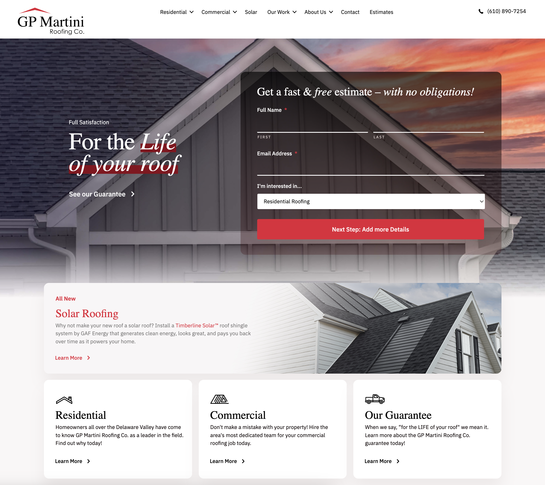
Increase in Traffic & Online Leads Through Landing Pages & Pay Per Click Campaign
The campaign has greatly increased our exposure...We're the first company both new & existing customer see
View Project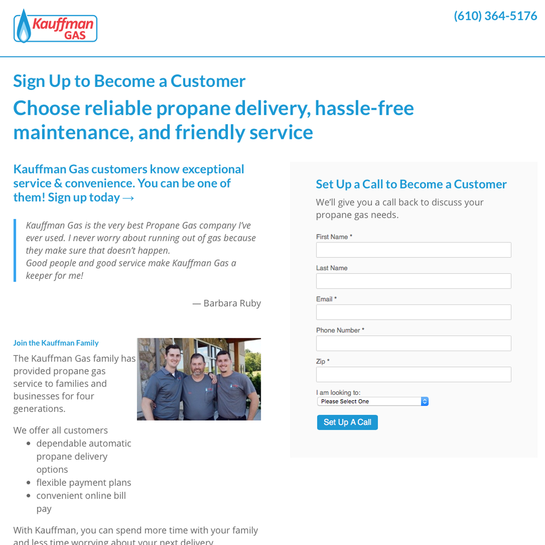
Homepage Reorganization Decreases Bounce Rate for Project Management Company
We saw a 27% increase in web inquiries from the year prior, and closed four of those opportunities which brought in more than $1.5M in revenue for the year.
View Project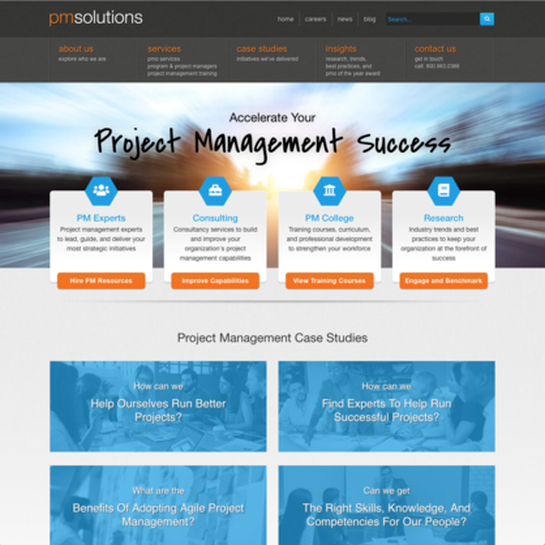
Increase User Engagement with Easy-to-Find Content
We like the new look. The new content structure makes it easy for people to find what they need.
View Project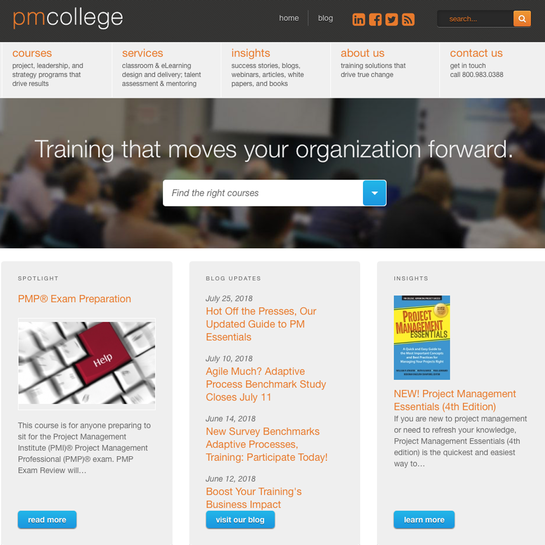
Propane Company Earns $23 in Revenue for Every $1 Invested in Online Marketing
We’re the first company prospects see when they search Google for propane in our service area. Being more visible helps us win more customers.
View Project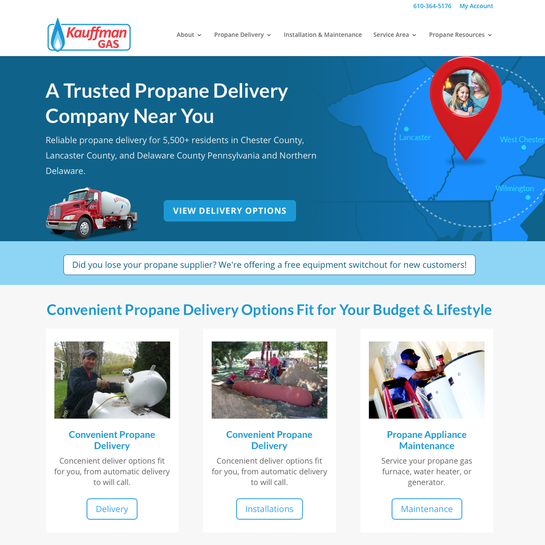
One-Page Website That Packs a Big Punch
We are so pleased with our new website. Thanks for all your hard work!
View Project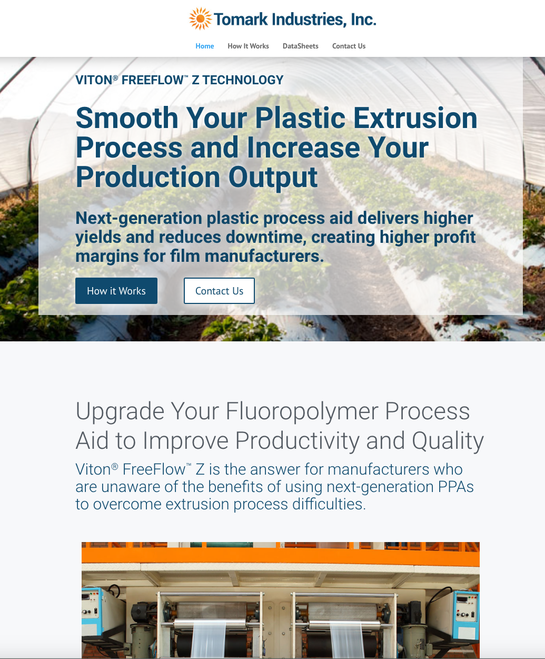
Website Strengthens Credibility of a Local Business
We had a dated website that wasn’t bringing in many new leads. As a busy small business we had no time to research how to build a website. Calling BOT was one of the best decisions we made. The entire process was seamless and they made sure we understood everything every step of the way!
View Project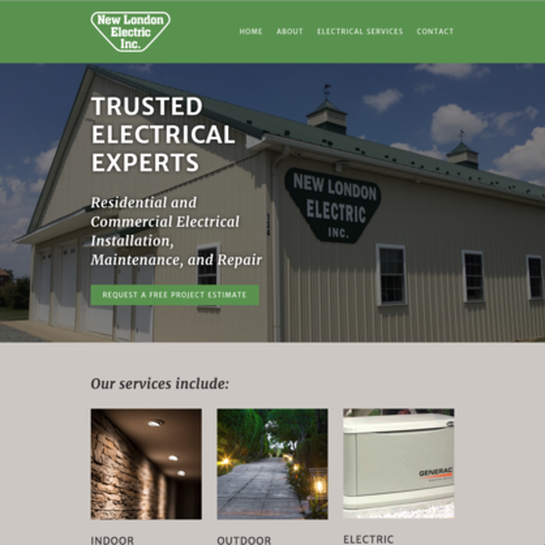
Logo Design That Reels in Prospective Customers
View Project
Water Marketing Website Connects with Prospect Pain Points by Showcasing "Problems We Solve"
To launch my website, I realized I would either need to focus 3 weeks of my time to get a DIY site, or invest in a pro. The best part of hiring a pro was the dialogue, which was a conversation I couldn’t have with myself.
View Project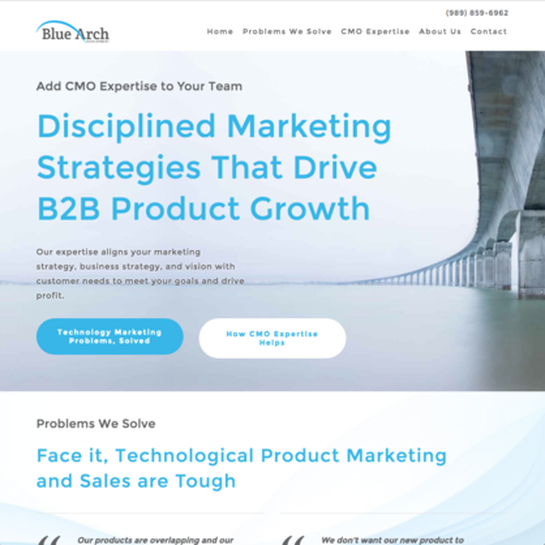
Strong Design Refresh Saves Money and Time on Development of New Website
View Project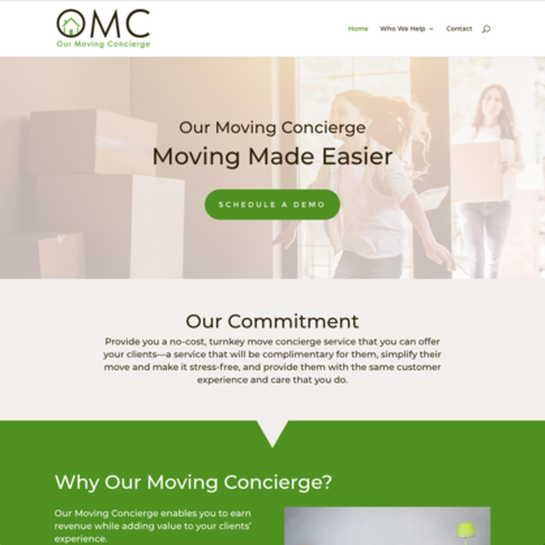
374% Increase in Social Media Views Drives More Traffic to Website
View Project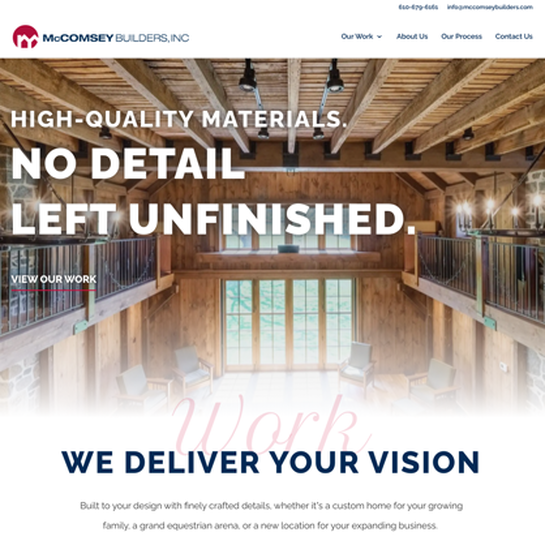
Not-For-Profit Financial Worth Proven Through Content Visualization of Annual Report
The Bright Orange Thread team brought CPS'S work and value literally to life, adding interactivity and a wealth of content that simply isn't possible with print.
View Project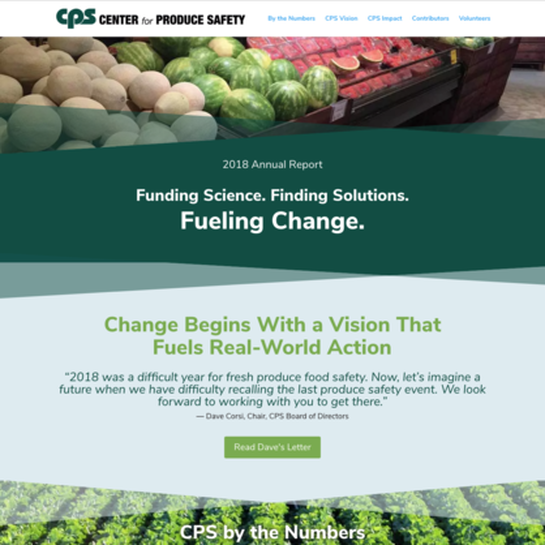
Customers Increase Propane Company’s 5-Star Reviews by over100%
View Project